

7 Expert Tips for Tree Service in Bend Oregon
Professional tree service in Bend, Oregon includes expert tree removal, structural pruning, health assessments, and emergency care tailored to the high desert climate. Local services ensure property safety against heavy snow and wind while promoting the longevity of native species like Ponderosa pines and Western junipers.
Why is professional tree service in Bend, Oregon necessary?
Living in Central Oregon comes with a unique set of environmental factors that directly impact the health and stability of your trees. From the intense summer sun to the heavy, wet snowfalls of winter, your landscape is constantly under pressure. Hiring a professional Bend Tree Service isn't just about making your yard look nice; it’s a critical component of property management and safety.
One of the primary reasons homeowners seek expert help is hazard mitigation. Large trees, particularly the iconic Ponderosa pines that define our region, can become dangerous if they develop structural weaknesses or disease. A professional team can identify hidden issues—like root rot or internal decay—that an untrained eye might miss. By addressing these problems early, you prevent potential damage to your home, power lines, and neighboring properties during our frequent high-wind events.
Furthermore, Bend is located in a fire-prone region. Professional tree care involves creating "defensible space" by thinning out dense canopies and removing ladder fuels. This proactive approach significantly reduces the risk of wildfire spreading to your home. Our local experts understand the specific fire codes and best practices for Bend Tree Service to keep your family safe.
Understanding the High Desert Ecosystem
Bend’s high desert environment is beautiful but harsh. Trees here face thin, volcanic soils, low humidity, and dramatic temperature swings. Unlike trees in the Willamette Valley, Central Oregon trees have adapted to survive with less water, but they still require specialized care to thrive in a residential setting.
Native species such as the Western Juniper and the Ponderosa Pine have deep taproots or wide-reaching lateral roots designed to find moisture in rocky soil. However, when these trees are integrated into a manicured lawn with regular irrigation, their growth patterns can change, sometimes making them more susceptible to certain pests or diseases. A knowledgeable Bend Arborist understands these nuances and can provide a customized plan for your specific lot.
Non-native ornamental trees, like Aspen or Flowering Plum, often struggle with our late spring frosts and alkaline soil. Professional services often include soil amending and deep-root fertilization to provide these trees with the nutrients they need to withstand the local climate. Proper mulching and watering techniques are also essential to help your trees survive the dry summer months without becoming stressed.
What are the key benefits of seasonal pruning?
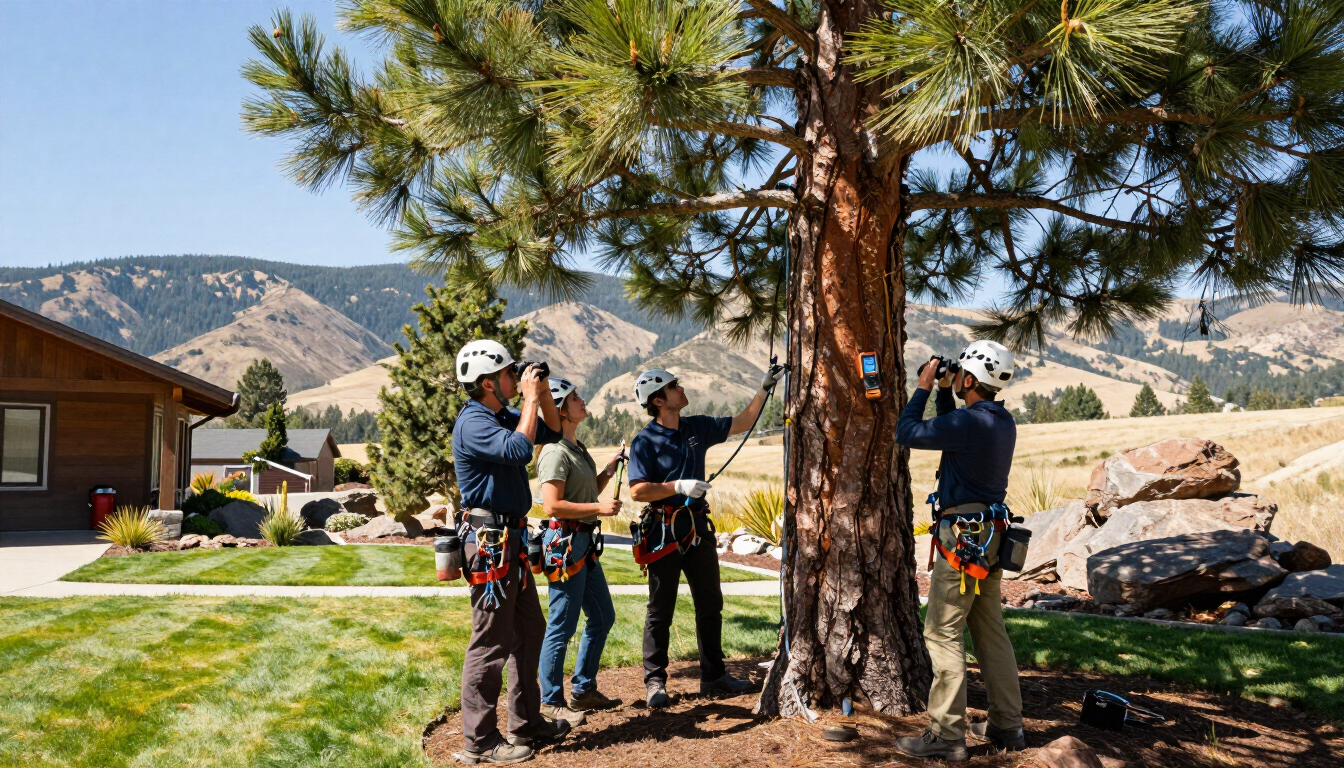
Pruning is perhaps the most important routine service you can invest in for your landscape. It is much more than just cutting off dead branches; it is a strategic process that guides the tree's growth and enhances its natural beauty. In Bend, seasonal pruning is particularly effective when done during the dormant winter months or early spring.
- Structural Integrity: Removing weak or co-dominant stems helps the tree develop a strong central leader, reducing the risk of splitting.
- Health and Longevity: Cutting away diseased or infested limbs prevents the spread of pathogens to the rest of the tree.
- Aesthetic Appeal: Proper thinning opens up the canopy, allowing more light to reach your lawn and improving the overall look of your property.
- Airflow: Increasing wind penetration through the canopy reduces the "sail effect," making the tree less likely to blow over in a storm.
- Safety: Eliminating low-hanging or dead branches prevents injury to people and damage to vehicles or structures.
Essential Tree Health Maintenance
Beyond just cutting and hauling, a comprehensive approach to tree care involves monitoring for pests and diseases common to Central Oregon. For instance, the mountain pine beetle can be a significant threat to our local pines. Early detection through regular inspections is key to saving an infested tree and preventing the beetles from spreading to your neighbors' yards.
Tree health also starts from the ground up. Soil compaction is a common issue in newer Bend developments where heavy machinery has been used. This prevents roots from getting the oxygen and water they need. Professional services can use air-spading techniques to decompact the soil around the root zone, breathing new life into a struggling tree. If you're concerned about the vitality of your landscape, it's always best to Contact & Free Quote a professional for a thorough assessment.
How do you know when a tree needs removal?
While we always try to save a tree whenever possible, there are times when tree removal is the only safe or practical option. Recognizing the signs of a failing tree can save you from a major headache (and major repair bills) later on. If you notice any of the following, it’s time to consult an expert:
- Deep Cracks in the Trunk: Large vertical fissures often indicate internal structural failure.
- Mushroom Growth at the Base: Fungi growing near the roots are a sign of root decay and instability.
- Significant Lean: A tree that has suddenly started to lean, or has soil heaving at the base, is a fall risk.
- Dead Wood in the Canopy: If more than 50% of the branches are dead or leafless, the tree is likely beyond saving.
- Proximity to Structures: Trees growing too close to foundations or power lines may need to be removed to prevent damage.
When should you call for emergency tree service?
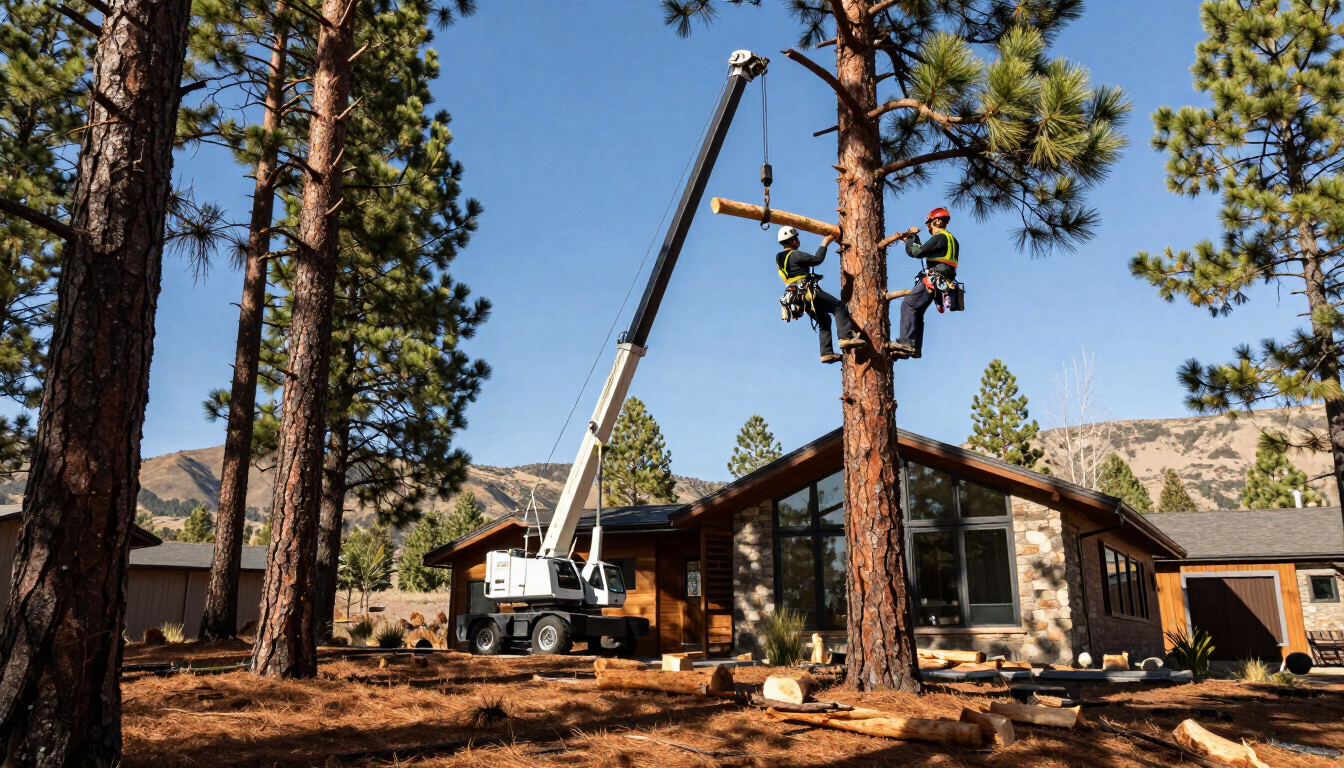
In Bend, emergencies usually happen during our heavy winter snowstorms or late-summer thunderstorms. Wet, heavy snow can accumulate on evergreen needles, weighing down branches until they snap. High desert winds can also uproot trees with shallow root systems. If a tree or large limb has fallen on your home, car, or is blocking a driveway, you need immediate emergency tree service .
Never attempt to clear large fallen trees yourself, especially if they are tangled in power lines. The tension in fallen limbs can be unpredictable and dangerous. Professional crews have the rigging equipment and experience to remove storm-damaged debris safely without causing further damage to your property. We recommend keeping our contact information handy during the winter months just in case.
Benefits of Professional Stump Grinding
Once a tree is removed, you are often left with a stump that is not only an eyesore but also a potential hazard. Leaving a stump in your yard can attract wood-boring pests like carpenter ants or termites, which can eventually find their way to your home. Stump grinding is the most efficient way to clear the land and prepare it for something new.
Our stump grinding process involves using specialized machinery to chew the wood down several inches below the soil line. This allows you to plant grass, shrubs, or even a new tree in the same spot. It also eliminates a tripping hazard and makes mowing your lawn much easier. Most homeowners find that the clean, finished look of a stump-free yard is well worth the investment.
Why choose a local Bend arborist?
Choosing a local Bend Arborist means you are working with someone who understands our specific climate, soil conditions, and municipal regulations. An ISA Certified Arborist has undergone rigorous training and adheres to a professional code of ethics, ensuring you receive the highest standard of care.
Local experts are familiar with the permitting requirements for tree removal in Bend, particularly regarding protected species or trees within certain zones. By hiring a local company, you are also supporting the Central Oregon community and ensuring that your tree care is handled by someone who cares about the local canopy as much as you do. Whether you need a simple trim or a complex removal, our team is here to help you maintain a beautiful and safe outdoor space.
Summary of Key Takeaways
Maintaining your trees in Bend, Oregon requires a proactive approach to handle the unique high desert challenges. By prioritizing health and safety, you can enjoy a beautiful landscape for years to come. Key steps include:
- Prioritize Safety: Regular inspections help identify hazardous trees before they fall during storms.
- Seasonal Pruning: Dormant pruning is best for structural integrity and disease prevention.
- Fire Safety: Create defensible space to protect your home from regional wildfires.
- Professional Expertise: Hire an ISA Certified Arborist for the best results and local knowledge.
- Complete the Job: Use stump grinding to prevent pests and restore your lawn’s appearance.
Ready to give your trees the care they deserve? Contact us today for a free estimate and let our experts help your landscape thrive.